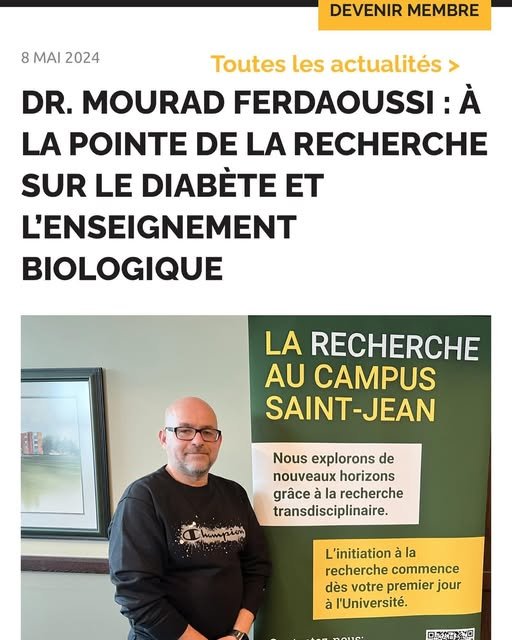
The Ferdaousi Lab
A laboratory dedicated to understanding why pancreatic beta cells fail — and to developing ways to protect them, from the bench to transplantation.
Our research areas
Four complementary research fronts
Every project in the lab contributes, in its own way, to improving pancreatic cell survival and patients' cardiometabolic health.
Beta-cell survival
Understanding the cellular and molecular mechanisms that lead to pancreatic beta-cell death in type 2 diabetes.
The Edmonton Protocol
Improving pancreatic islet transplantation, 25 years after the protocol was developed, with the aim of achieving remission of type 1 diabetes.
Protective molecules
Developing new molecules and peptides capable of protecting pancreatic islets and stem-cell-derived cells during transplantation.
Inflammation & cardiovascular health
Studying the links between systemic inflammation, heart failure, and diabetes to identify new therapeutic targets.
Approach
Interdisciplinary research
The lab collaborates beyond the traditional boundaries of biology — notably with researchers in dentistry and chemistry — to tackle the persistent challenges of the Edmonton Protocol from new angles. This disciplinary openness is matched by an international dimension: the lab regularly welcomes doctoral students from Morocco (UM6P) and Tunisia (University of Carthage), in a spirit of North-South scientific collaboration.
The core team
The people who keep the lab running
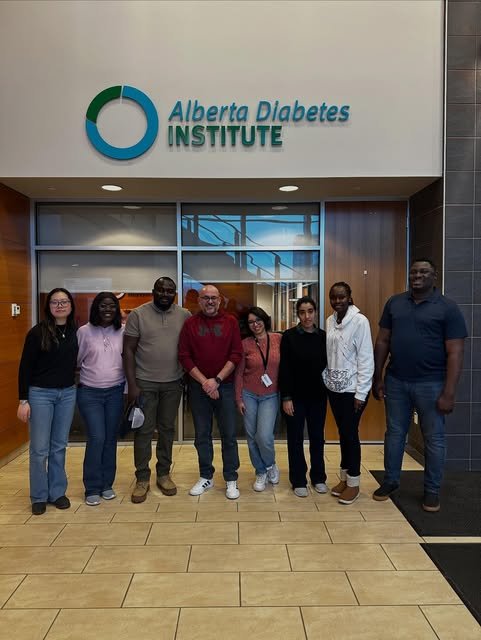
Dr Ferdaoussi works day to day with a team of 4 permanent students in the lab.

Irina Lydia Sudeu Nitcheu
Interdisciplinary Sciences — interested in the intersection of biology, immunology, and public health, with a particular focus on the role of oxidative stress and inflammation in the development of chronic diseases, primarily diabetes.

Arthur T. Ngantchou
Health Sciences — studies the role of glucocorticoid-induced ferroptosis in mitochondrial dysfunction of pancreatic beta cells, and its consequences for glucose homeostasis regulation.

Ange Talla
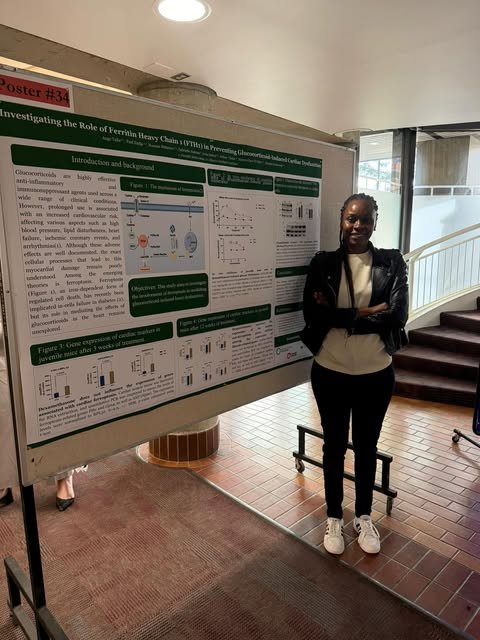
Health — studies cardiac dysfunction induced by chronic glucocorticoid use, through the mechanism of ferroptosis.

Paul Endja
Interdisciplinary Sciences — studies the role of the antioxidant protein GPx4 in regulating the molecular processes that control insulin secretion, and how their disruption is involved in the development of diabetes.
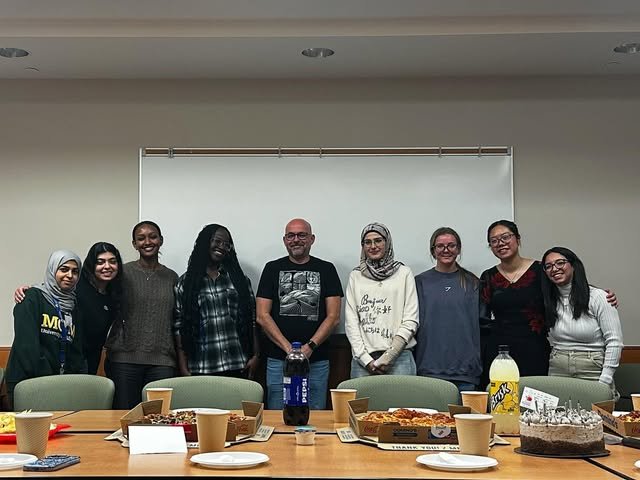
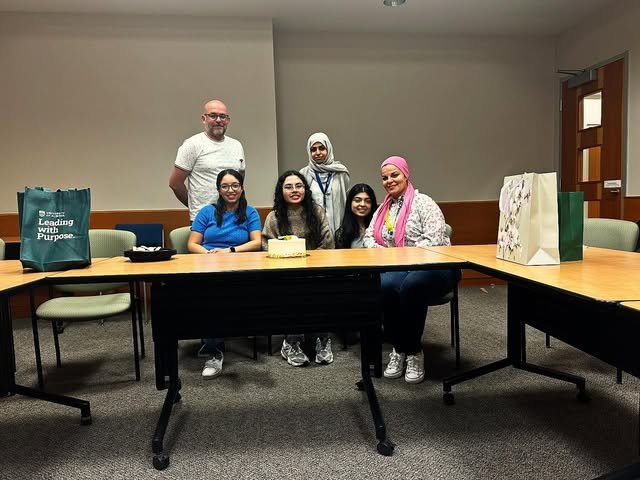
Life in the lab
A lab, a team, a culture
Our strategy
From the dentist's chair to a cure for diabetes
This flyer sums up the lab's strategy in four stages: dentistry as a starting point for regenerative medicine, research to open new therapeutic avenues, innovation to refine the Edmonton Protocol, and impact — transforming lives, from the lab bench to the patient's bedside.
Partners
Who makes this research possible
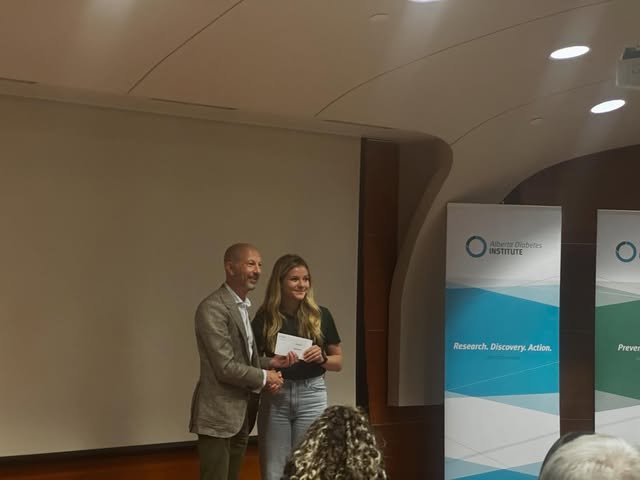
The lab works closely with the Alberta Diabetes Institute and benefits from the support of the Alberta Diabetes Foundation, which funds part of its external research projects through community donations.
In partnership with